

Guides Selling
How to Sell a Luxury Watch in the US: Every Route Compared
An American seller has five realistic routes: a specialist watch buyer, a US auction house, consignment through a dealer, a private sale to another collector, and a pawnshop. A specialist buyer is fastest and most certain, usually settling in days. Auction can reach the highest number on a genuinely rare piece but takes months and guarantees nothing. Consignment sits between the two. A private sale keeps the most money and hands you all of the fraud risk. A pawnshop is the quickest and almost always the most expensive.
Most people selling a luxury watch in the US are not collectors. They are someone with a Datejust in a nightstand that has not been worn since a job change, an executor working through a parent's estate, or somebody who would simply rather hold the money. If that describes you, finding a buyer is not the hard part. Luxury watches are liquid. The hard part is choosing the route that fits your situation, and then not being talked out of it by whoever answers the phone first.
Below are the five routes, compared on the things that actually decide the outcome: how long it takes, how firm the number is, how much work lands on you, and what can go wrong.
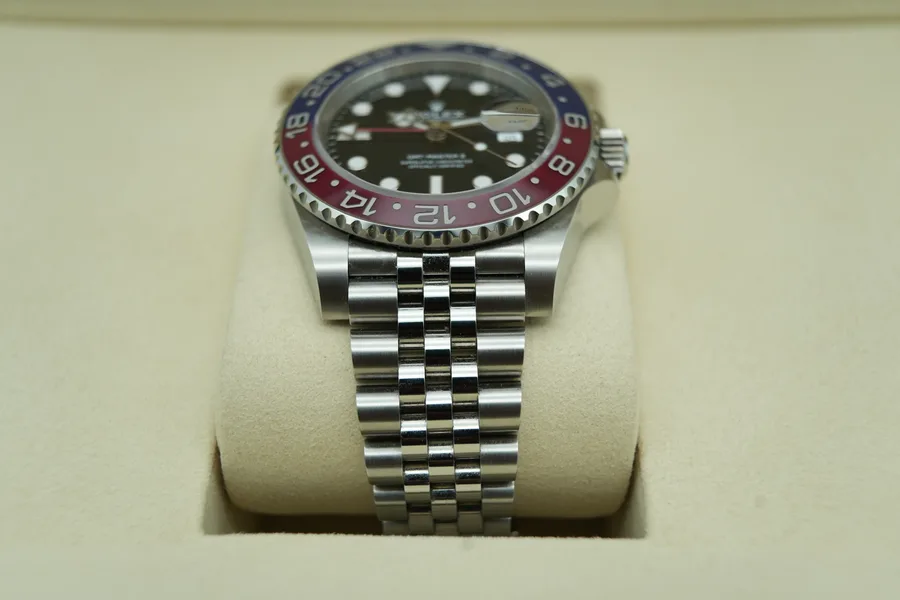
The five routes, side by side
| Route | Typical timeline | How firm is the number | Work for you | Main risk |
|---|---|---|---|---|
| Specialist watch buyer | Same day to a few days | Firm once the watch is inspected | Low | A lowball from a non-specialist |
| US auction house | Two to six months | Unknown until the hammer falls | Medium | It does not sell, or sells under estimate |
| Consignment with a dealer | Weeks to months | Set as a target, not a promise | Low to medium | Your watch sits in someone else's case |
| Private sale to a collector | Days to months | Whatever you negotiate | High | Payment fraud and no recourse |
| Pawnshop | Same day | Firm and usually low | Very low | You leave the most money behind |
Specialist watch buyer
A specialist buys the watch outright for its own inventory. You get an inspection, a number, and payment. Because the buyer takes the resale risk, the offer sits below full retail, but it is a real number you can accept or decline today rather than an estimate of what someone else might pay later.
The test of a specialist is whether they talk about your specific reference. A buyer who quotes "a Rolex" without asking which one, what condition the bezel is in, or whether you have the card is not valuing your watch. They are quoting a category.
US auction houses
Auction is the right answer for a small number of watches: genuinely rare references, documented provenance, complicated pieces with a collector following. For those, competitive bidding can beat any single buyer.
For everything else it is a slow route with real costs. Expect a seller commission, possible photography and insurance fees, and a consignment window measured in months. Read the contract for the reserve: if the lot fails to meet it, the watch comes back to you and the calendar has moved by a season. Ask what the all-in seller cost is as a percentage before you sign anything.
Consignment
A dealer displays and markets your watch and takes a cut when it sells. You can reach closer to retail than an outright sale while doing almost none of the work. The trade is certainty: there is no date by which you have the money, and your watch is in someone else's inventory while you wait.
Private sale
Selling direct to a collector, through a forum or a marketplace, keeps the dealer margin in your pocket. It also puts every piece of risk on you: authenticating the buyer, surviving the payment, and shipping a high-value item with no help if it goes wrong.
The money is where private sales fail, and it is worth being specific. A cashier's check can be counterfeit and your bank may make the funds available before it discovers that, which means the money can be pulled back after you have shipped. A wire can be reversed in fraud scenarios. "Overpayment" followed by a request to refund the difference is a standard pattern, not an accident. Wait for funds to be genuinely settled, not merely visible, and confirm with your bank in those words before the watch leaves your hands.
Pawnshops
A pawnshop is a loan business that also buys. Pawnbrokers are licensed and regulated at the state level, so the rules and the rates you meet depend on where you are. What is consistent is the pricing: the offer has to cover their cost of capital, their risk, and their margin, and it is almost always the lowest number of the five routes.
There is one case where it still makes sense: you need cash today and the alternative is worse. Just know what you are trading away, and call a specialist first. The call takes ten minutes.
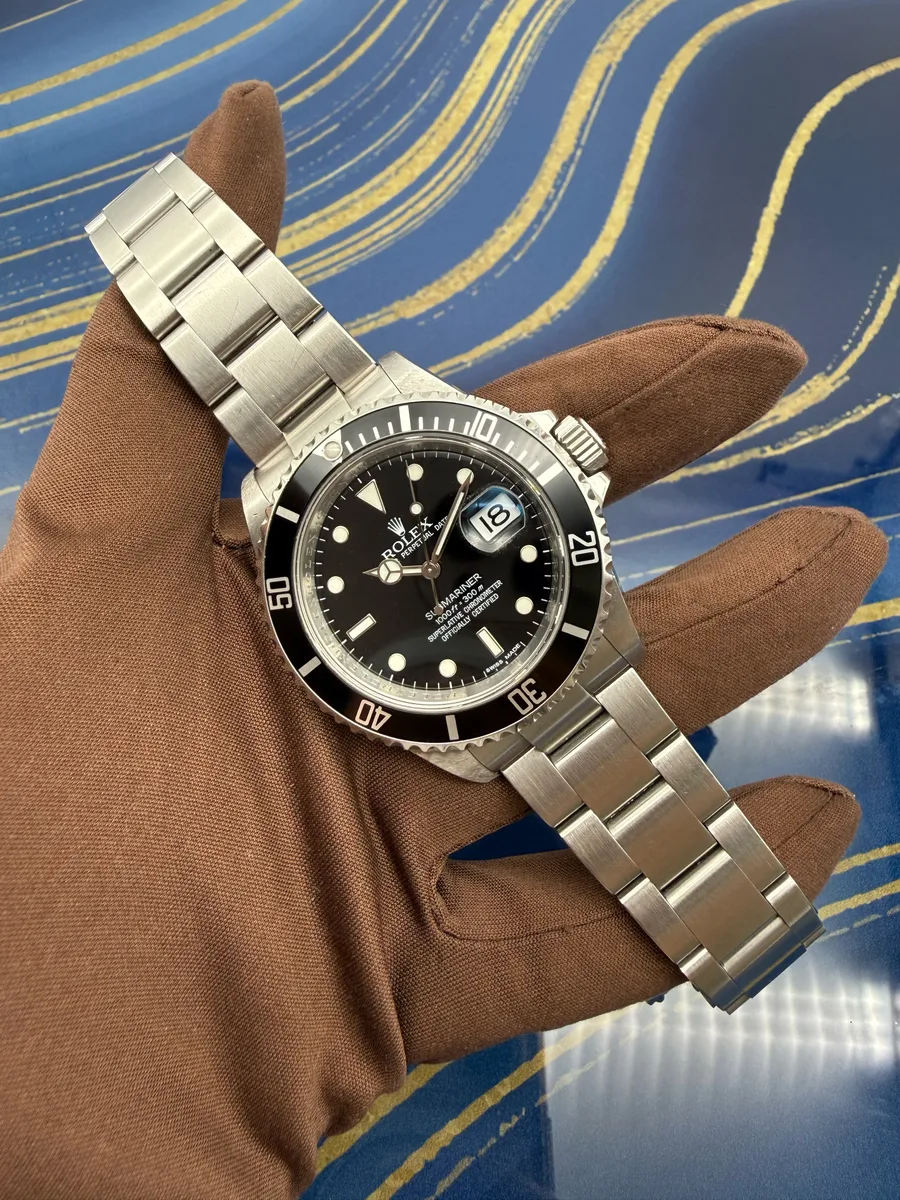
What to gather before you ask anyone for a number
- Find the reference numberNot the model name. "Submariner" covers decades and a wide price range; 16610 is a specific watch. The reference is usually engraved between the lugs at 12 o'clock, and it is on the warranty card and service paperwork if you have them.
- Locate the box, card and papersFind them before you decide they do not exist. A matching warranty card measurably helps on modern references. Service receipts from an authorized center help on older ones.
- Photograph it properlyEven light, no flash, dial straight on, then the caseback, clasp, bracelet, and any damage you can see. Photographs are what let a buyer give you a real number before the watch travels anywhere.
- Note the service history honestlyWhen it was last serviced and by whom. "I do not know" is a perfectly good answer and far better than a guess that turns out wrong at inspection.
- Get more than one numberTwo or three offers tell you where the market is. One offer tells you nothing, and it is the oldest reason sellers accept too little.
Taxes: the short, honest version
Selling a personal item for more than you paid can create a taxable capital gain, and the IRS treats some collectibles less favorably than stocks on long-term rates. Selling for less than you paid does not generally create a deductible loss on personal property. Where this gets complicated fast is an inherited watch, where the basis is usually stepped up to the value at the date of death rather than what the original owner paid.
How to tell a real offer from a hook
A real offer names your reference, states what condition it assumes, and says plainly what would change it at inspection. A hook is a big round number designed to get the watch in the building, where it is revised down once you are invested in the trip.
- Ask the number for your exact reference, not the model.
- Ask what specifically would move it up or down at inspection.
- Ask how and when you are paid, and get it in writing.
- Ask who insures the watch while it is with them, and for how much.
- If you ship, ask what happens if the offer changes when it arrives. The answer should be that it comes back to you, insured, at their cost.
If a number moves the moment the watch is on the counter, the first number was marketing.
Selling to WatchCash
WatchCash buys outright. Send photographs and the reference and you get a real range before anything moves. If you want to do it in person, the main US location is 110 E Broward Blvd #1700 in downtown Fort Lauderdale, by appointment. If you would rather not travel, shipping is fully insured in both directions, and if you turn the offer down the watch comes back at our expense.
Common questions
What is the fastest way to sell a luxury watch in the US?
A specialist buyer. Photographs and the reference number get you a real range the same day, and an outright purchase settles in days rather than the months an auction consignment takes.
Will I get more at auction?
Sometimes, on genuinely rare references with documentation. For a standard modern reference, the seller commission and a consignment window measured in months usually cancel out any premium, and there is no guarantee the lot sells at all.
Do I need the box and papers to sell?
No. They help, most noticeably on modern references where a matching warranty card is expected. Plenty of watches sell well without them, so find out what yours is worth before assuming their absence is a problem.
Do I owe tax when I sell a watch?
Possibly, if you sell for more than your basis. Collectibles can be treated less favorably than stocks on long-term gains, and inherited items usually get a stepped-up basis. The answer depends on your situation and your state, so ask a CPA before a large sale.
Is it safe to ship a watch to a buyer?
It is, with the right carrier and real insurance. The common mistake is assuming a standard shipping label covers a five-figure watch. It generally does not, and most carriers specifically limit liability on watches and jewelry.
Ready to sell?
Get a free, no-obligation valuation. We value your exact reference and explain how we reached the number.
Get your free quote